Trezor Login: How to Safely Access Your Hardware Wallet
Introduction
Cryptocurrency ownership comes with the responsibility of keeping digital assets safe. As online threats continue to grow, many investors rely on hardware wallets to store their coins securely. One of the most reputable hardware wallets available today is Trezor, known for its advanced security features and simple interface. To manage funds using this device, users must go through a process commonly referred to as Trezor Login. Understanding how this login system works is essential for anyone who wants to access their crypto wallet safely and efficiently.
What Makes Trezor Unique?
Trezor is designed to keep private keys offline, making it far safer than online or mobile wallets. The device acts as a physical authentication tool, allowing users to confirm transactions and manage digital assets without exposing sensitive information to the internet. Trezor supports a wide range of cryptocurrencies, integrates with popular portfolio apps, and offers a user-friendly experience suitable for beginners and advanced users alike. Its security model prioritizes privacy, control, and protection from malicious attacks.
How the Trezor Login System Works
The Trezor login system combines physical confirmation with digital authentication. Instead of depending on standard usernames and passwords, it requires the user to interact with the hardware device whenever they want to access their wallet. This approach reduces the risk of attacks such as phishing, keylogging, or remote hacking.
Here are the key components involved in Trezor login:
Hardware Authentication
Your Trezor device must be physically connected to a computer or mobile device. Without the device, login is impossible.PIN Verification
During setup, users create a PIN. This PIN must be entered each time the device is used. Even if someone steals the device, they cannot access the wallet without this PIN.Recovery Seed Protection
At initial setup, Trezor provides a recovery seed (12–24 words). This seed is used only if the device is lost or damaged. It should never be entered into any website or software.
These layers ensure that wallet access is always under the owner’s control.
Steps to Log In to Your Trezor Wallet
Logging in with a Trezor device is simple, but it must be done carefully to maintain security. Below is the correct procedure for accessing your wallet:
1. Connect Your Trezor Device
Use the USB cable provided with your device to connect it to your computer. Wait for the device screen to light up, indicating it is ready.
2. Open the Official Trezor Interface
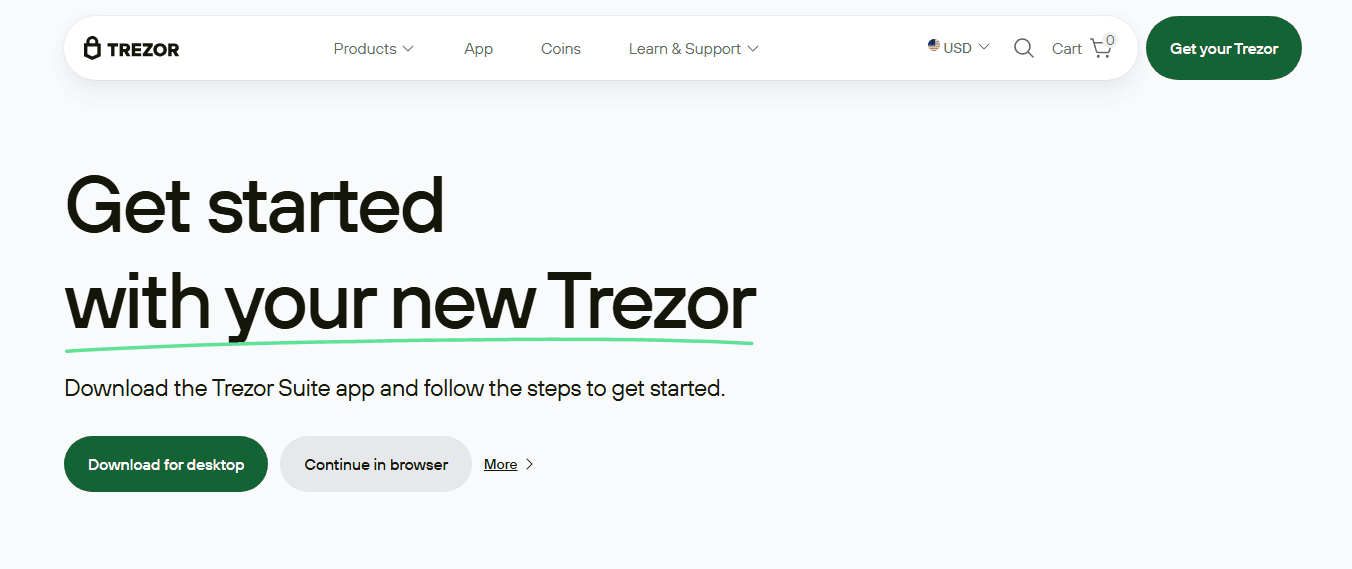
Go to the official Trezor website or Trezor Suite application. Using unofficial websites may expose you to phishing risks.
3. Confirm the Device on Screen
Your screen will show a prompt asking you to confirm that you trust the computer you’re using. Approve the request on your Trezor device.
4. Enter Your PIN
A randomized keypad will appear on your computer. Match the positions with the numbers displayed on your device. This prevents malware from recording your PIN.
5. Access Your Wallet Dashboard
After entering your PIN, you will be redirected to the dashboard where you can check balances, send and receive funds, manage accounts, and update device settings.
6. Disconnect Securely After Use
Before unplugging your Trezor, click the logout option on the interface. This ensures your session ends safely.
Safety Tips for a Secure Trezor Login Experience
Because your cryptocurrency security depends heavily on how you handle your device, it is important to follow recommended best practices:
Always use official Trezor tools such as Trezor Suite. Avoid browser extensions or unknown apps claiming Trezor support.
Never enter your recovery seed online, no matter what message or screenshot someone shows you.
Keep your PIN private and avoid storing it digitally.
Update firmware regularly to ensure your device has the latest security patches.
Use a clean, virus-free computer to prevent malware interference.
Avoid public or shared computers when accessing your wallet.
Enable additional security features such as passphrases for advanced protection.
Common Login Problems and How to Fix Them
Even with a reliable device, users may encounter login difficulties. Here are common issues and their solutions:
Device Not Recognized
If your computer does not detect the Trezor, try a different USB port or cable. Make sure the Trezor Suite software is installed correctly.
Incorrect PIN Attempts
Trezor increases the waiting time after each incorrect attempt. If you forget your PIN completely, you must reset the device using your recovery seed.
Browser Errors
Some older browsers may not work correctly. Switching to an updated browser like Chrome or Firefox usually solves the issue.
Firmware Warning
If the device asks for a firmware update, follow the official instructions. Do not use any third-party tools to update your device.
Conclusion
The Trezor login process is built around strong security measures designed to protect your digital assets at all times. By requiring hardware interaction, PIN entry, and secure confirmation steps, Trezor ensures that only the rightful owner can access the wallet. For anyone serious about safeguarding their cryptocurrency, understanding how to log in safely—and following recommended best practices—is essential. With proper use, Trezor provides both peace of mind and exceptional security in the fast-growing world of digital finance.