Trezor Login: A Simple and Secure Way to Access Your Crypto Wallet
Introduction
Managing cryptocurrency safely requires more than just choosing the right coins—it also means choosing the right storage method. Hardware wallets like Trezor offer one of the safest ways to store and control your digital assets. To access the wallet’s features, users must complete the Trezor login process, which is designed with strong security in mind. Whether you are a beginner or an experienced crypto investor, understanding how this login system works is essential for protecting your funds.
What Is Trezor?
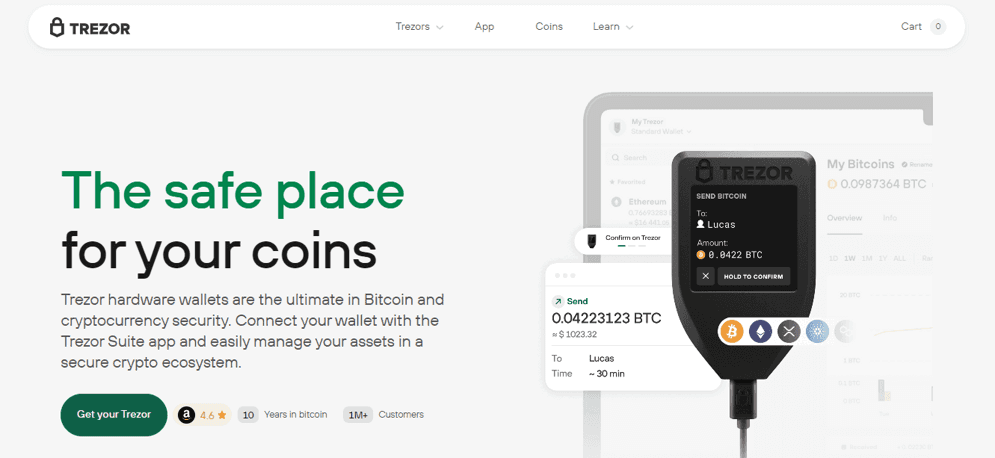
Trezor is a hardware wallet created to safeguard cryptocurrencies by keeping private keys offline at all times. Unlike software wallets, which are connected to the internet, Trezor stores sensitive information inside a secure physical device. This drastically reduces the chances of hacking, phishing, or malware attacks. With support for thousands of coins and tokens, Trezor is widely used for personal investment, long-term storage, and professional asset management. The two main models—Trezor Model One and Trezor Model T—offer slightly different features but share the same security foundation.
Why Trezor Login Is Different
Trezor login does not rely on a typical email-and-password system. Instead, the process is based on physical authentication, secure PIN entry, and offline confirmation. This structure ensures that even if someone gains access to your computer, they cannot access your wallet without the physical device. The login process is designed to protect users from keyloggers, malware, phishing websites, and remote hacking attempts.
Here are the essential elements of the Trezor login system:
Physical Device Requirement
You must have the Trezor hardware wallet physically connected to your computer or mobile device.Secure PIN Entry
A PIN that you create during setup is required every time you use the device. The PIN input layout changes each time, preventing tracking tools from recording your input.Offline Recovery Seed
A set of 12–24 recovery words belongs exclusively to you. This seed is used only for restoring the wallet and should never be typed into any website or shared with anyone.
This combination makes Trezor login one of the most secure wallet access methods available in the crypto world.
How to Log In to Your Trezor Wallet
Although the login process includes strong security steps, it is still very user-friendly. Here is the correct way to log in:
Step 1: Connect Your Trezor Device
Use the included cable to plug your Trezor into your computer. The device will power on automatically and show instructions on the screen.
Step 2: Open Trezor Suite or Official Website
Access your wallet using Trezor Suite, the official desktop application. If you prefer a browser, make sure to only visit the official Trezor website. Avoid any website that asks for your recovery seed.
Step 3: Confirm the Connection
A message will appear asking you to confirm the connection. Approve this action on your Trezor device to continue.
Step 4: Enter Your PIN
A grid of blank icons will appear on your screen, while your Trezor device shows the actual numbers. Match the positions to enter your PIN securely. This system ensures that even malicious software cannot detect your PIN.
Step 5: Access Your Dashboard
Once the PIN is verified, your account dashboard will open. From here, you can view balances, create new accounts, send and receive coins, or adjust security settings.
Step 6: Log Out Safely
When you are finished, use the logout option inside Trezor Suite. After logging out, unplug the device.
Tips for Keeping Your Trezor Login Secure
Even though Trezor offers strong built-in protection, your habits and choices also play a major role in keeping your funds safe. Here are the most important practices to follow:
Never store your recovery seed online, including in email, photos, cloud storage, or text files.
Use only official Trezor software, and avoid browser extensions or unknown crypto programs.
Update your device firmware whenever new versions are released.
Use a clean computer, free of suspicious programs or downloads.
Consider setting up a passphrase, an optional feature that adds another security layer to your wallet.
Do not share your PIN with anyone and avoid writing it somewhere obvious.
Be cautious of phishing sites—always check the website URL before connecting your device.
Common Problems During Trezor Login
Sometimes, users may face login difficulties. Here are the most common issues and ways to solve them:
The Device Isn’t Detected
Try reconnecting the cable, switching USB ports, or restarting Trezor Suite. Using a different cable or computer may also help.
PIN Forgotten
If you cannot remember your PIN, the only way to regain access is by resetting the device and restoring it with your recovery seed.
Browser Conflicts
If the browser fails to communicate with the device, switching to another supported browser usually solves the problem.
Firmware Errors
If the device displays a firmware warning, install the official update. Do not download firmware files from unknown sources.
Conclusion
The Trezor login process is built to offer strong protection without sacrificing ease of use. By combining a physical device, secure PIN entry, and offline recovery methods, Trezor ensures that your cryptocurrency remains safe even in a world full of digital threats. Whether you are storing long-term holdings or managing daily transactions, learning to use the Trezor login system correctly is one of the best steps you can take to safeguard your digital wealth.