Trezor Login: A Comprehensive Guide
Introduction
In the world of cryptocurrency, security is paramount. One of the most trusted tools for securing digital assets is the Trezor hardware wallet. Trezor provides a secure, offline method to store your cryptocurrencies, protecting them from hackers, phishing attacks, and malware. Accessing your Trezor wallet, commonly referred to as the Trezor login, is a critical step to manage your digital assets safely. This guide explains how to log in, best practices, and security measures to keep your cryptocurrencies safe.
What is Trezor?
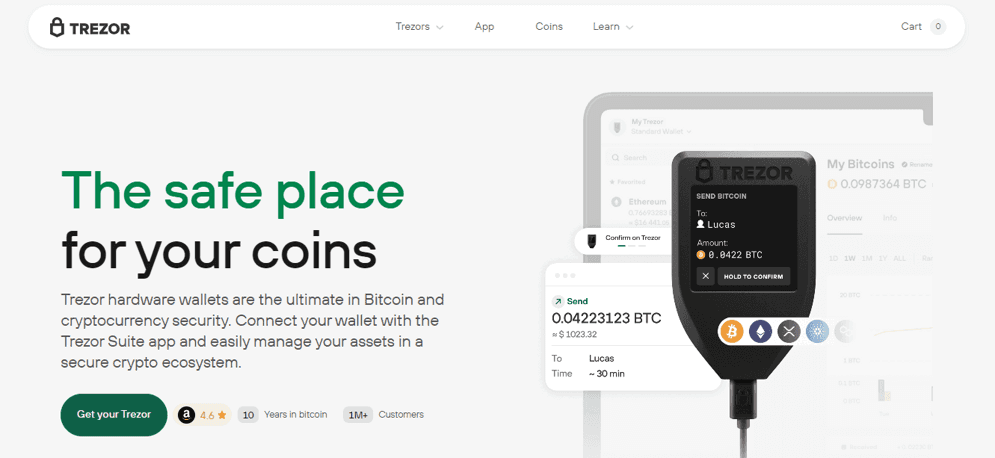
Trezor is a hardware wallet developed by SatoshiLabs that allows users to store private keys offline. Unlike online wallets, which are susceptible to hacking, Trezor keeps your private keys in a secure, offline environment. This feature makes it one of the safest ways to manage cryptocurrencies like Bitcoin, Ethereum, and other digital assets. Trezor devices come in two main models: Trezor One and Trezor Model T, both offering robust security features and easy-to-use interfaces.
Understanding Trezor Login
The Trezor login process is the method by which users access their cryptocurrency accounts stored on the Trezor device. Unlike traditional online logins that require a username and password, Trezor login relies on a combination of hardware authentication, PIN codes, and recovery seeds. This multi-layered security approach ensures that even if someone gains physical access to your device, unauthorized access is extremely difficult.
Key Components of Trezor Login
Hardware Device: Your Trezor device itself is the first layer of security. It must be physically connected to your computer or mobile device to access the wallet.
PIN Code: When you connect your Trezor to a computer, you are prompted to enter a PIN code. This PIN is unique to your device and protects your funds from unauthorized access.
Recovery Seed: During initial setup, Trezor generates a recovery seed—a series of 12, 18, or 24 words—that acts as a backup. This seed is crucial for recovering your wallet if the device is lost or damaged.
How to Login to Your Trezor Wallet
Logging in to your Trezor wallet is a straightforward process but must be done carefully to maintain security. Follow these steps for a secure Trezor login:
Connect Your Device: Plug your Trezor hardware wallet into your computer using the USB cable. For mobile devices, use the compatible Trezor app or supported mobile connection.
Open Trezor Wallet Interface: Visit the official Trezor Wallet website at wallet.trezor.io using a secure browser. Never use third-party websites to log in.
Enter Your PIN: Once your device is recognized, enter the PIN displayed on the Trezor screen. The PIN entry uses a randomized grid, which prevents keyloggers from capturing your PIN.
Access Your Account: After successful PIN verification, you can access your wallet dashboard. Here, you can check balances, send or receive cryptocurrencies, and manage accounts.
Two-Factor Authentication (Optional): For added security, you can enable additional authentication methods if supported by your wallet interface.
Best Practices for Trezor Login Security
To ensure the safety of your cryptocurrencies, follow these best practices during the Trezor login process:
Never Share Your PIN or Recovery Seed: Your PIN and recovery seed are highly sensitive. Sharing them compromises your wallet.
Use Official Trezor Software: Always access your wallet through the official website or Trezor Bridge software. Avoid third-party applications.
Keep Recovery Seed Offline: Store your recovery seed in a secure, offline location. Avoid storing it digitally or online.
Regularly Update Firmware: Keep your Trezor device firmware up to date to protect against potential vulnerabilities.
Beware of Phishing Attacks: Only access Trezor Wallet through verified URLs and double-check website authenticity before logging in.
Troubleshooting Trezor Login Issues
Sometimes, users may encounter problems while trying to log in. Common issues include:
Device Not Recognized: Ensure the USB cable is properly connected and functional. Try different ports or computers if needed.
Forgotten PIN: If you forget your PIN, you can reset the device using your recovery seed. Be cautious—incorrect recovery attempts can compromise wallet security.
Firmware Issues: Outdated firmware can cause login problems. Visit the Trezor official website to update your device.
Browser Compatibility: Use a supported browser like Chrome, Firefox, or Edge to access Trezor Wallet.
Conclusion
Trezor login is a secure and reliable method to access and manage your cryptocurrency assets. By combining hardware authentication, PIN codes, and recovery seeds, Trezor ensures your funds remain protected from unauthorized access. Following best practices, using official software, and keeping your recovery information safe are critical steps in maintaining security. With Trezor, you can confidently manage your cryptocurrencies while minimizing the risk of cyber threats.
Using Trezor correctly not only ensures safety but also provides peace of mind in the fast-paced world of digital assets.